Choosing between SQL and NoSQL databases is a fundamental system design decision. The right choice can impact scalability, performance, and maintainability for years to come.
What is SQL?
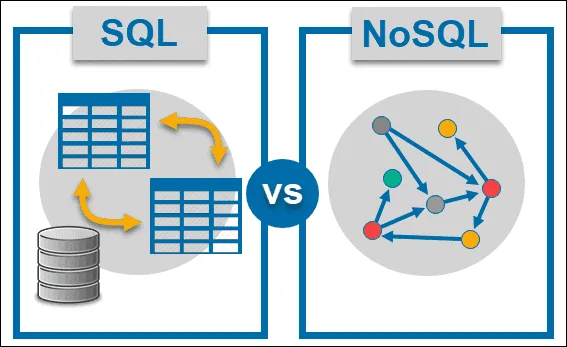
Relational: Data is organized in tables with predefined schemas.
ACID Compliance: Guarantees Atomicity, Consistency, Isolation, Durability for transactions.
Strong Consistency: Data is always up to date and reliable.
Examples: MySQL, PostgreSQL, Oracle, Microsoft SQL Server.
SQL Strengths
Complex queries (JOINs, aggregations)
Data integrity and validation
Mature tooling and ecosystem
Transactional support
SQL Weaknesses
Harder to scale horizontally (sharding is complex)
Schema changes can be disruptive
Not ideal for unstructured or rapidly evolving data
What is NoSQL?
Non-relational: Flexible schemas can be documented, key-value, column-family, or graph-based.
BASE Properties: Basically Available, Soft state, Eventually consistent.
Eventual Consistency: Data may not be immediately consistent across all nodes.
Examples: MongoDB (document), Cassandra (column), DynamoDB (key-value), Neo4j (graph), Redis (key-value).
NoSQL Strengths
Horizontal scalability (easy to add nodes)
Flexible, dynamic schemas
High throughput for large-scale workloads
Suited for unstructured or semi-structured data
NoSQL Weaknesses
Limited support for complex queries and transactions
Weaker consistency guarantees (eventual consistency)
Less mature tooling for some databases
Trade-offs
FeatureSQLNoSQLSchemaFixedFlexibleTransactionsStrong (ACID)Limited/NoneScalabilityVerticalHorizontalJoinsSupportedRare/Not supportedConsistencyStrongEventualQuery LanguageSQLVaries (JSON, CQL)Use CasesOLTP, analyticsBig data, real-time
When to Use SQL
Complex queries and reporting
Data integrity is critical (banking, finance)
Well-defined, stable schema
Need for strong consistency and transactions
When to Use NoSQL
Rapidly changing or unstructured data
Massive scale and high throughput (IoT, analytics, social feeds)
Flexible or evolving schema
Geographically distributed systems
💡 Tip: Many modern systems use both (polyglot persistence) for different needs.
Deep Dive: Application Scenarios
E-commerce
SQL: Orders, payments, inventory (strong consistency, transactions)
NoSQL: Product catalog, user sessions, recommendations (flexible, scalable)
Analytics
NoSQL: Event logs, clickstreams, time-series data (high write throughput)
SQL: Aggregated reports, dashboards (complex queries)
Social Networks
NoSQL: User feeds, messages, relationships (graph or document DBs)
SQL: User profiles, authentication (structured, transactional)
IoT and Real-Time Apps
NoSQL: Sensor data, telemetry (high-volume, flexible schema)
Polyglot Persistence
Many organizations use both SQL and NoSQL databases in the same system, choosing the best tool for each job. For example, using PostgreSQL for transactional data and MongoDB for user-generated content.
Migration and Integration
Data Migration: Moving from SQL to NoSQL (or vice versa) can be complex—plan for data mapping, consistency, and downtime.
Integration: Use APIs, ETL pipelines, or data lakes to combine data from multiple sources.
Best Practices
Always start with your application's requirements.
Consider future growth and data access patterns.
Benchmark different databases with real workloads.
Plan for backup, recovery, and monitoring.
Conclusion
Understand your application's requirements before choosing a database technology. The right tool depends on your use case, not hype or trends.
🧠 Remember: There is no perfect database—only the best fit for your needs. Evaluate trade-offs carefully and be ready to adapt as your system evolves.